.png)

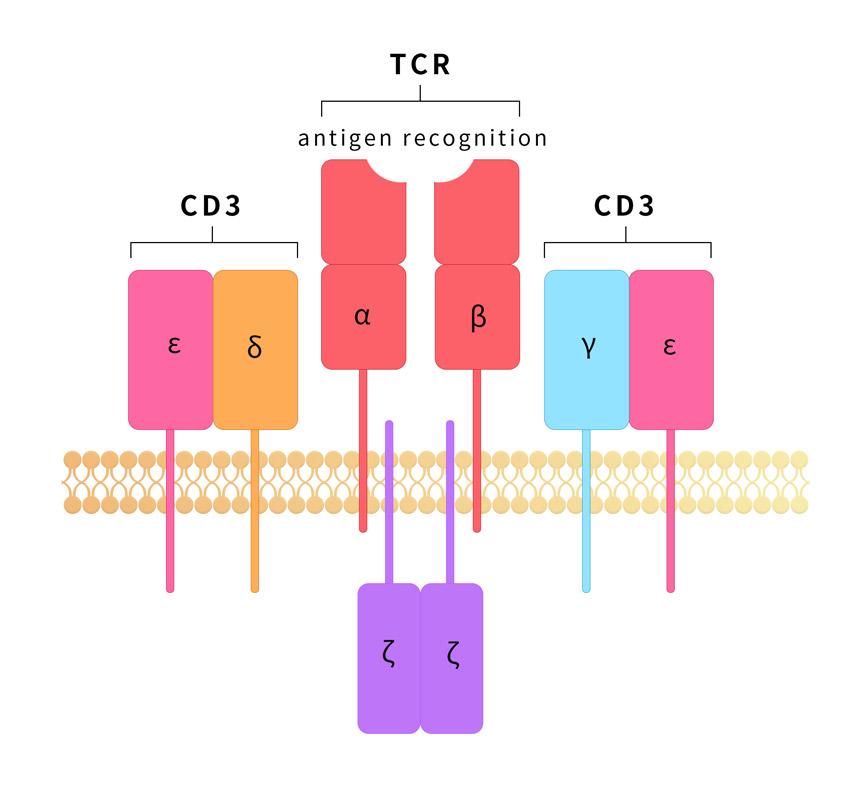
Bispecific antibodies (bsAbs) bind the specificities of two antibodies and combine them to simultaneously recognize different antigens or epitopes. Because of that interest in their use for therapeutic applications has increased considerably. With the development of bsAb technology platform, the combination selection of targets is becoming the key point of competition. Among the bsAb programs under development currently, the combination of CD3 and tumor surface targets are the most popular targets pairs. And the new targets of Immune cell will also lead to more choice in targets combination in the future.
Hot targets for bispecific antibodies
CD3 proteins PD-1/PD-L1 proteins CD47 proteins Full lenght CD20 Proteins
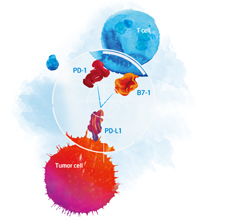
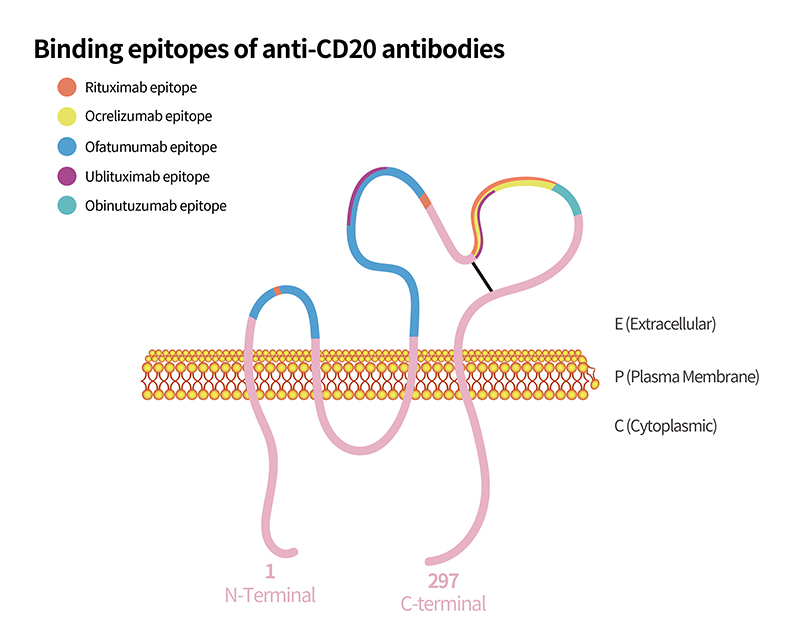
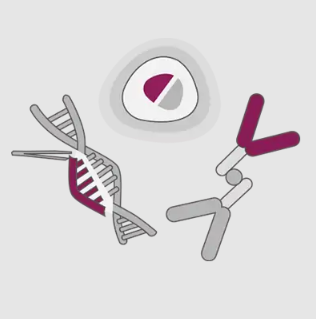
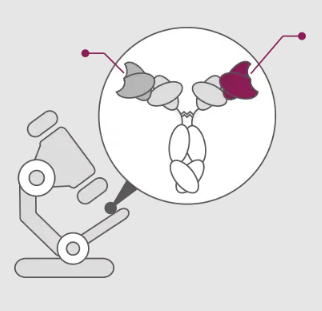
Over the past decades, the three antibody generation strategies, chemical conjugation, hybrid hybridomas and genetic engineering have resulted in over 67-70 different formats of bispecific antibodies. These BsAbs have been widely researched in diagnostic and therapeutic fields. Creative Biolabs can provide BsAb engineering service to adjust the properties of BsAbs such as valency, size, half-life, flexibility, etc., to meet specific requirements.
Bispecific antibodies have reached marvellous clinical results. To develop BsAbs for treating diseases, it is critically important to perform comprehensive analysis for BsAbs to guarantee their quality and function. Quality assessment, characteristic analysis, as well as preclinical research are necessary during the different stages of BsAb development.
With the rapid development of recombinant protein technology, numerous BsAbs have emerged as therapeutic proteins. Creative Biolabs offers three approaches to develop BsAbs for customers: hybrid-hybridoma technology by the somatic fusion of two different hybridoma cell lines; chemical conjugation based on chemical crosslinkers; and genetic methods using recombinant DNA technology.
As a professional antibody manufacture supplier in the world, Creative Biolabs has established a series of affinity purification methods, including Protein A chromatography, to handle expectations for more mature antibody production. Creative Biolabs has the aim to help clients to obtain high-quality BsAbs with higher purity, lower costs, and less time through multiple effective platforms.
At the early stage of BsAb development, Creative Biolabs offers customized BsAb design services either for scientific research or clinical practice. More than that, Creative Biolabs can provide a full range of BsAbs to meet every customer's requirement.
Two BsAbs, Blinatumomab and Emicizumab, have been approved in the US and the EU, while a third BsAb, Catumaxomab, is already commercially available in the EU.
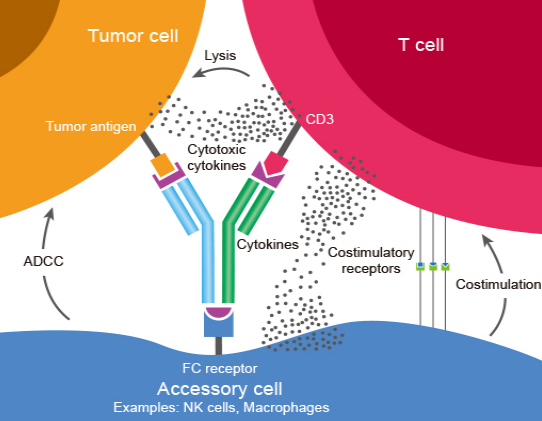
Blinatumomab is a biopharmaceutical drug used as a second-line treatment for non-Hodgkin’s lymphoma or refractory acute lymphoblastic leukemia. It is a Bispecific T-Cell Engager (BiTE®), a small fusion protein containing two antibody binding sites. One site binds to CD19 on cancer cells (e.g. Raji cells) and the other binds simultaneously to CD3 on T cells, thus linking the T lymphocytes to cancer cells expressing specific cancer antigens (e.g. CD19). The binding event potentiates unstimulated T cells and induces direct cytotoxicity against CD19+ cancer cells.
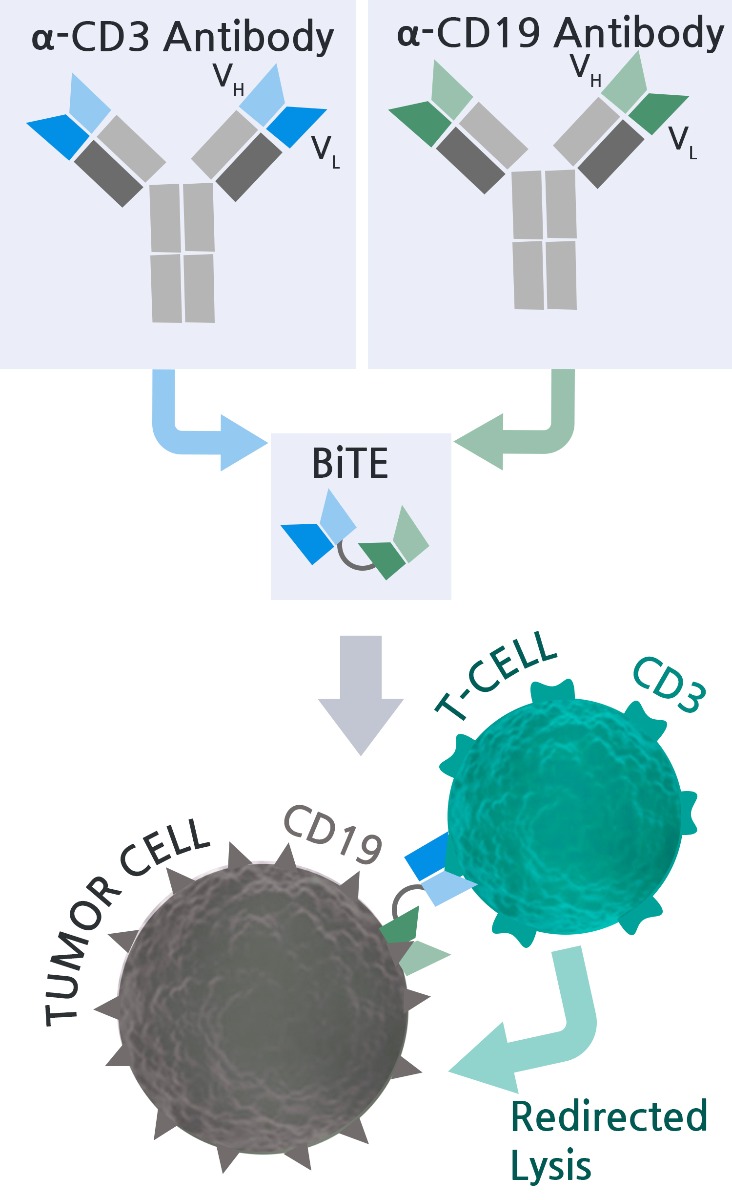
BPS has produced a CD19/CD3 BiTE® that is functionally identical to Blinatumomab. The ability of CD19/CD3 BiTE® to bind and activate T cells has been validated using several reporter cell lines.
BPS Bioscience offers more bispecific antibodies, click here to consult the catalog.

Antibodies can be modified in many ways to create specific binding properties for different applications and therapeutic purposes.
Four categories of modified antibodies can be distinguished:
Recombinant
Therapeutic
Bispecific
Labelled
Explore the Biorbyt catalog of bispecific antibodies:
Substance P / HRP bispecific monoclonal antibody (P4C1)
Anti-BCMA bispecific antibody (DM16)
Anti-BCMA bispecific antibody (DM4)
Substance P / HRP Bispecific Monoclonal Antibody (P4C1)
GenScript ProBio SMABody(Single-domain antibody fused to monoclonal Ab) platform naturally combines the single domain antibody and the monoclonal antibody to make a bispecific antibody in symmetric format with good biological efficacy and good developability.
Purchase all these products through DBA Italia

Alcuni dei nostri brand